The Junior Gap and the 'Intuition Crisis'
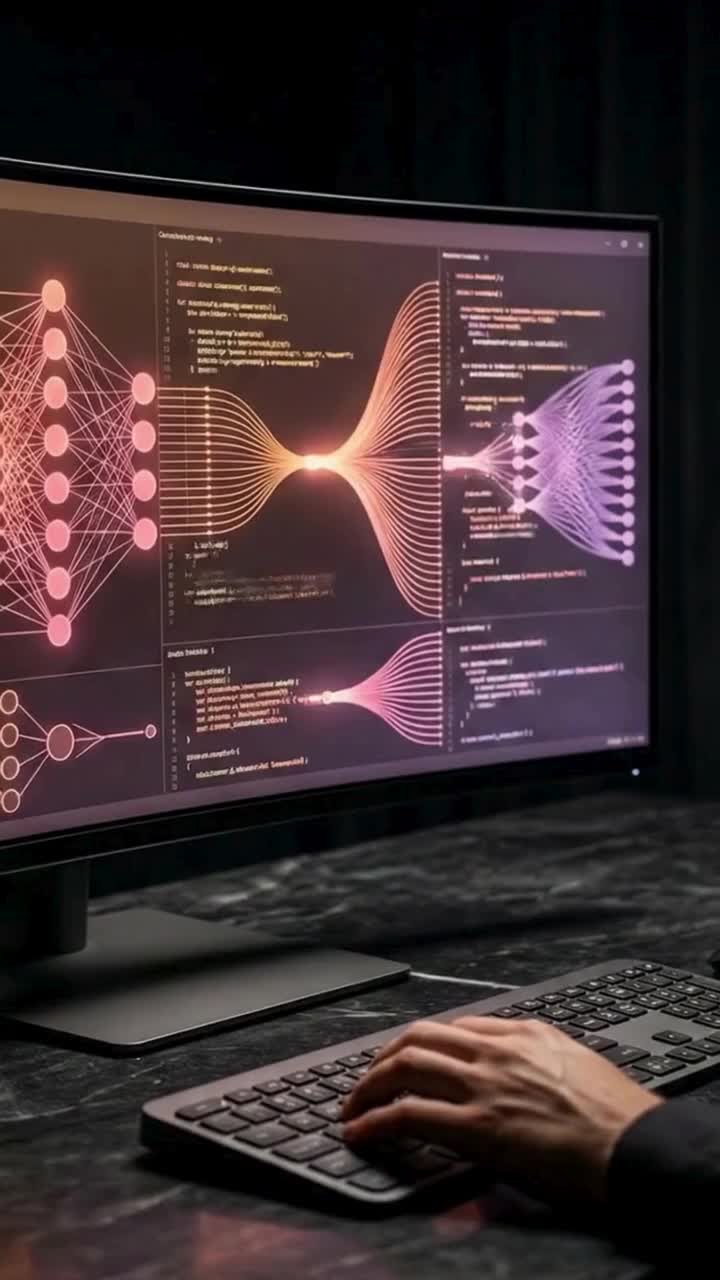
As AI takes over high-level analytical tasks, the middle ground for tech roles is evaporating, creating an 'Intuition Crisis' for junior talent.

How do we grow seniors if the AI does all the 'growing' work?
A chilling takeaway from the recent shift in tech roles is the "hollowing out" of entry-level positions. Historically, a Junior Data Scientist cut their teeth on the "grunt work": running A/B test statistics, drafting analytical summaries, and performing basic hypothesis testing. These tasks were not just chores; they were the training grounds where foundational skills were forged.
As AI takes over these high-level analytical tasks, we are facing what I call an Intuition Crisis.
The Problem: The Loss of the "Low-Level" Weeds
Mathematical intuition isn't something you can download or learn from a textbook alone. It is built through repetition, tedious manual checking, and—most importantly—failure in the "low-level" weeds of data. When you have to manually calculate a standard deviation or spend hours cleaning a messy dataset, you develop a sense of what "normal" looks like.
Without this hands-on struggle, how can the next generation of data scientists develop the "gut feeling" necessary to spot anomalies that AI might miss or misinterpret?
The Reality: Speed vs. Skill
If an AI agent performs 1,000 simulations in the time it takes a junior to do one, the junior never develops the muscle memory for the process. We are quickly reaching a point where the tech hierarchy is bifurcating: you are either a Prompt Architect or a Principal Investigator.
The middle ground, where most career growth used to happen, is evaporating.
The New Scientist: Beating the AI at Contextual Strategy
To stay relevant, juniors must shift their focus. It is no longer enough to be technically proficient in math or coding—those are becoming table stakes that AI handles with ease. Instead, juniors must stop trying to beat the AI at math and start beating it at Contextual Strategy.
This means asking the right questions:
- Why does this data matter to the business?
- What are the ethical implications of this model?
- How does this specific piece of analysis fit into the larger organizational goals?
The "New Scientist" isn't just a technician; they are a bridge between raw data (processed by AI) and strategic decision-making (lead by humans).
How to Stay Relevant in 2026 and Beyond
If you are a junior professional feeling the pressure of this shift, here is how you can adapt:
- Seek the Nuance: Don't just accept AI outputs. Try to understand the why behind them.
- Master Domain Expertise: AI knows math, but it doesn't always know your specific industry’s quirks.
- Focus on Communication: Translating complex AI findings into actionable business value is a human-first skill.
The "Junior Gap" is real, but it is also an opportunity to redefine what it means to be a data scientist. Don't let the AI do all the growing work—find your own weeds to get lost in.
Want to navigate the future of work with more confidence?
Book a consultation here and let's map out your real edge.
#DataScienceIdentity #FutureOfWork2026 #AIIdentityCrisis #TheNewScientist #STEMCareers